
 Collaku Consulting
Get Free Consultation
Reply within 4 hours • Free consultation
Collaku ConsultingReply within 4 hours • Free consultation
Dental laboratory equipment installation for UK labs and in-house practice labs: scanners, mills, sintering and porcelain furnaces, and the power, compressed air, water and local exhaust ventilation they depend on. Dust and fume extraction is designed to control exposure under COSHH, not added as an afterthought.

Equipment, services and extraction for a dental laboratory, planned around how work moves through the room.
Scanner, design station and mill set up as one working chain, networked so a scan reaches the mill without manual file handling, and checked by milling a real case before sign-off.
Zirconia sintering furnaces, porcelain furnaces and press units on dedicated circuits, with heat and fumes extracted and firing programmes set from the manufacturer's data.
Electrical capacity, oil-free compressed air and water planned for every bench, so the mill, compressor and furnace can run together without tripping a breaker.
Zirconia, resin and metal dust and monomer vapour are hazardous substances. Local exhaust ventilation (LEV) at the trimmer, grinding bench, mill and furnace captures them at source. LEV must be thoroughly examined and tested at least every 14 months under COSHH, so we commission it with the records your examiner needs.
How this same expertise plays out on a real dental clinic project.
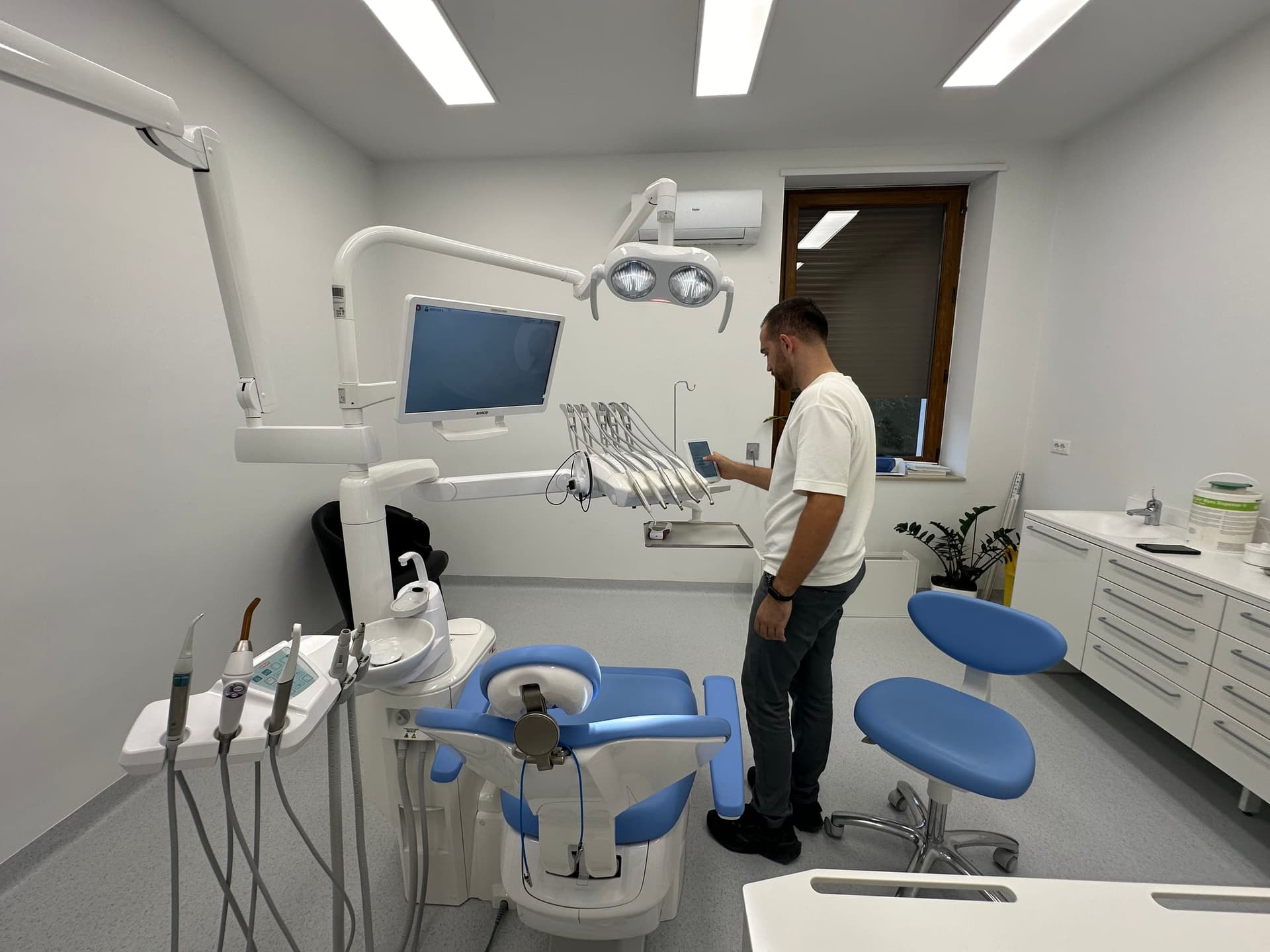
Recent articles on dental practice design, equipment and patient flow.
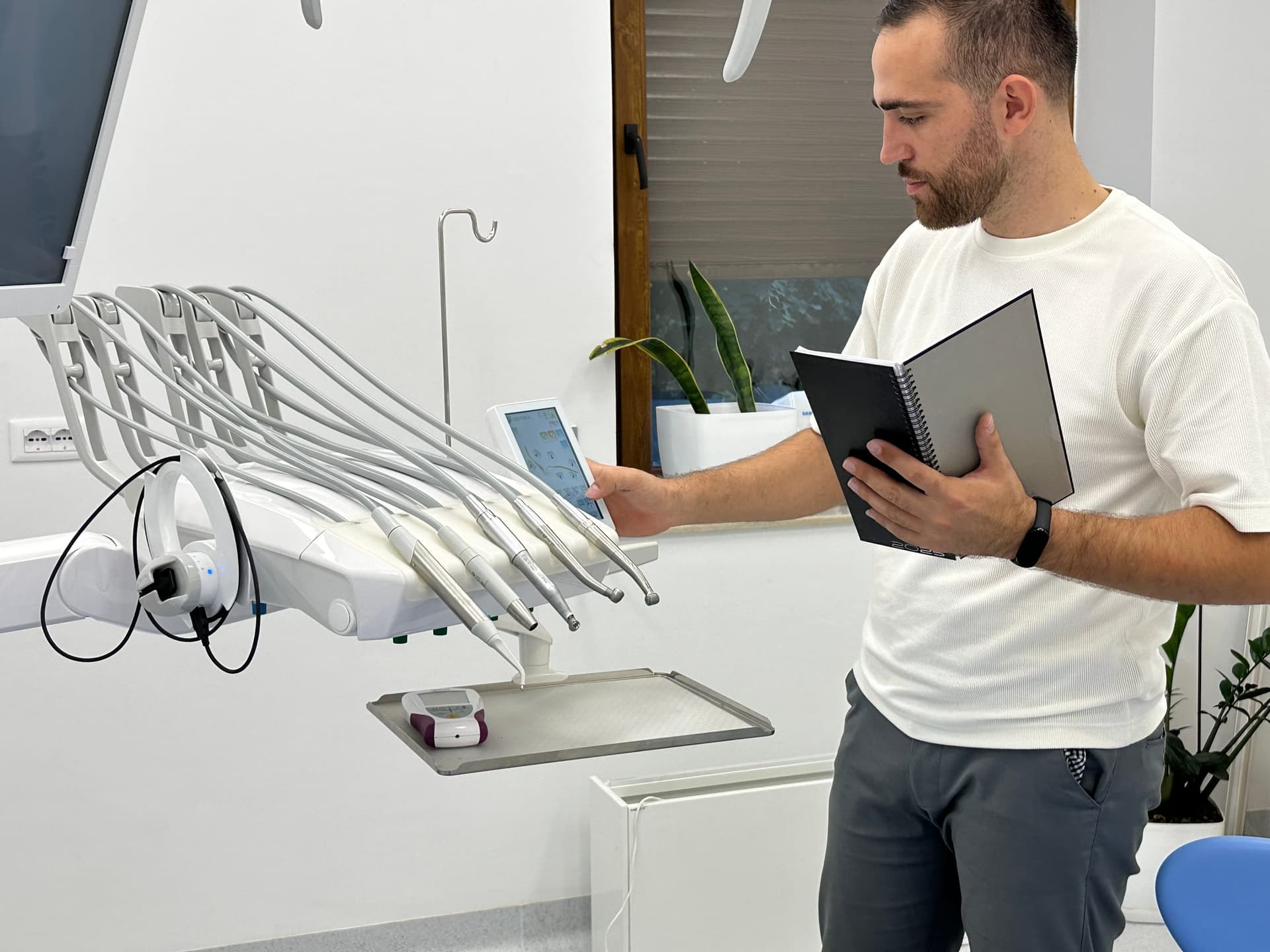
How cutting-edge design trends are transforming dental practices, improving patient outcomes, and boosting clinic efficiency through 2026.
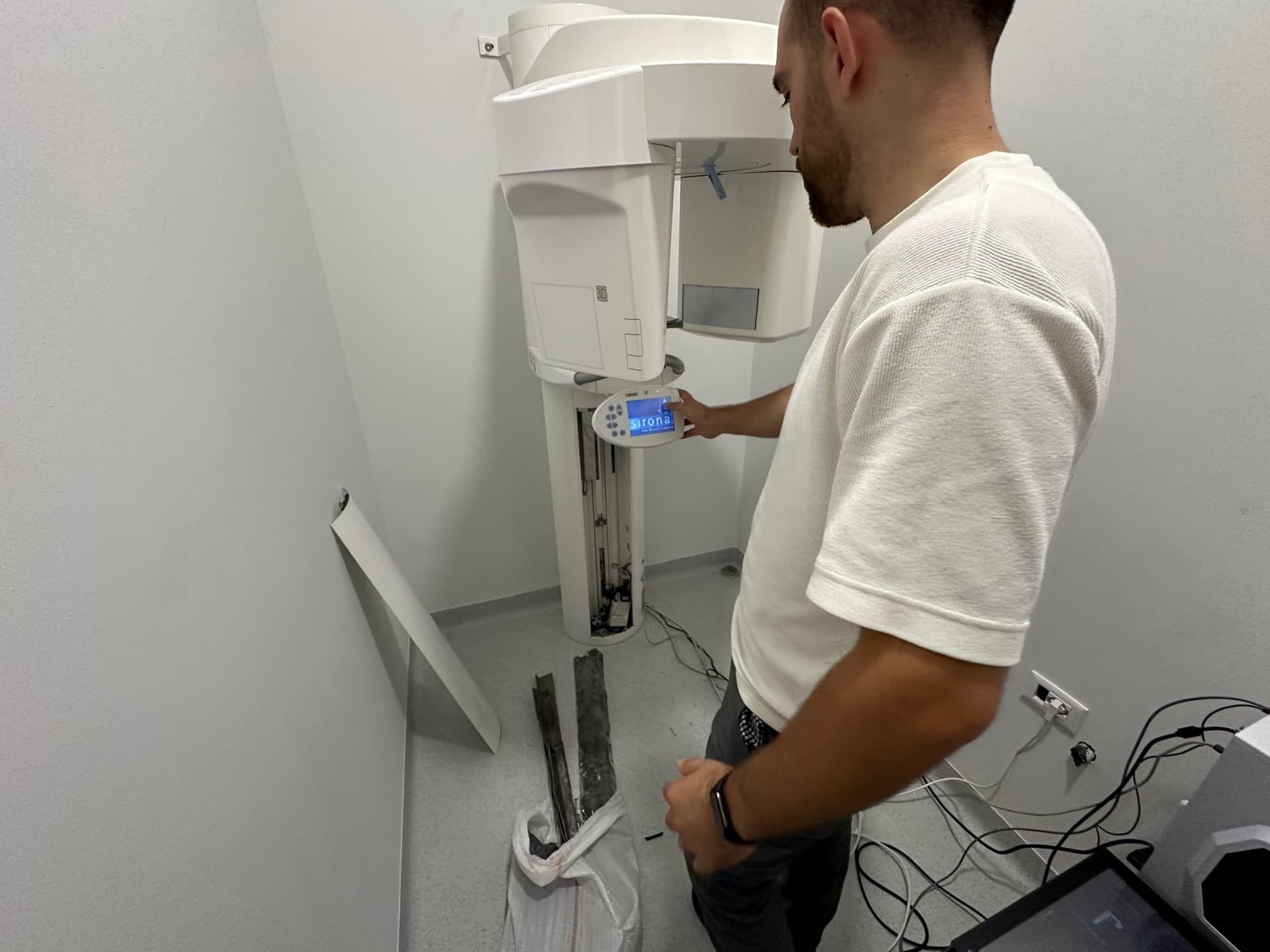
How thoughtful design choices can significantly improve patient satisfaction and reduce dental anxiety.
From empty room to a working dental laboratory.
We list your equipment, measure the room, check electrical capacity and extract routes, and produce a layout with a services schedule.
Circuits, compressed air, water, drainage and LEV ductwork installed, each sized to the equipment it serves.
Equipment positioned, levelled, fixed where required and connected, in an order that lets each item be tested with the next.
Mill and scanner accuracy checked, furnace temperatures verified and LEV airflow measured; anything out of specification is corrected.
Operation, daily maintenance, common faults and safety covered with your technicians. Manuals, as-built drawings, LEV commissioning data and a maintenance schedule handed over.
Common questions about setting up a dental laboratory in the UK.
Lab and intraoral scanners, design workstations, 4- and 5-axis mills, sintering, porcelain and press furnaces, casting equipment, model trimmers, and the extraction, electrical, water and compressed air services they need.
Grinding and milling produce fine dust, and acrylic work releases monomer vapour. COSHH requires exposure to be prevented or adequately controlled, and LEV at the source is the usual control. LEV systems must be thoroughly examined and tested at least every 14 months.
A compact CAD/CAM set-up with a scanner, design station, mill and sintering furnace fits in a small room; a full lab with porcelain, casting and plaster work needs considerably more. We lay the equipment out around how work moves through the lab, using your actual room.
Hands-on training during the final week, written documentation and remote support afterwards. Follow-up visits to UK labs are scheduled with you.
Other services often booked alongside this one.
Book a consultation and we'll get back to you within 4 hours.