
 Collaku Consulting
Get Free Consultation
Reply within 4 hours • Free consultation
Collaku ConsultingReply within 4 hours • Free consultation
Scheduled servicing of dental air compressors and dryers: filter changes, dryer cartridges, condensate drains, pressure calibration, and a written service report.
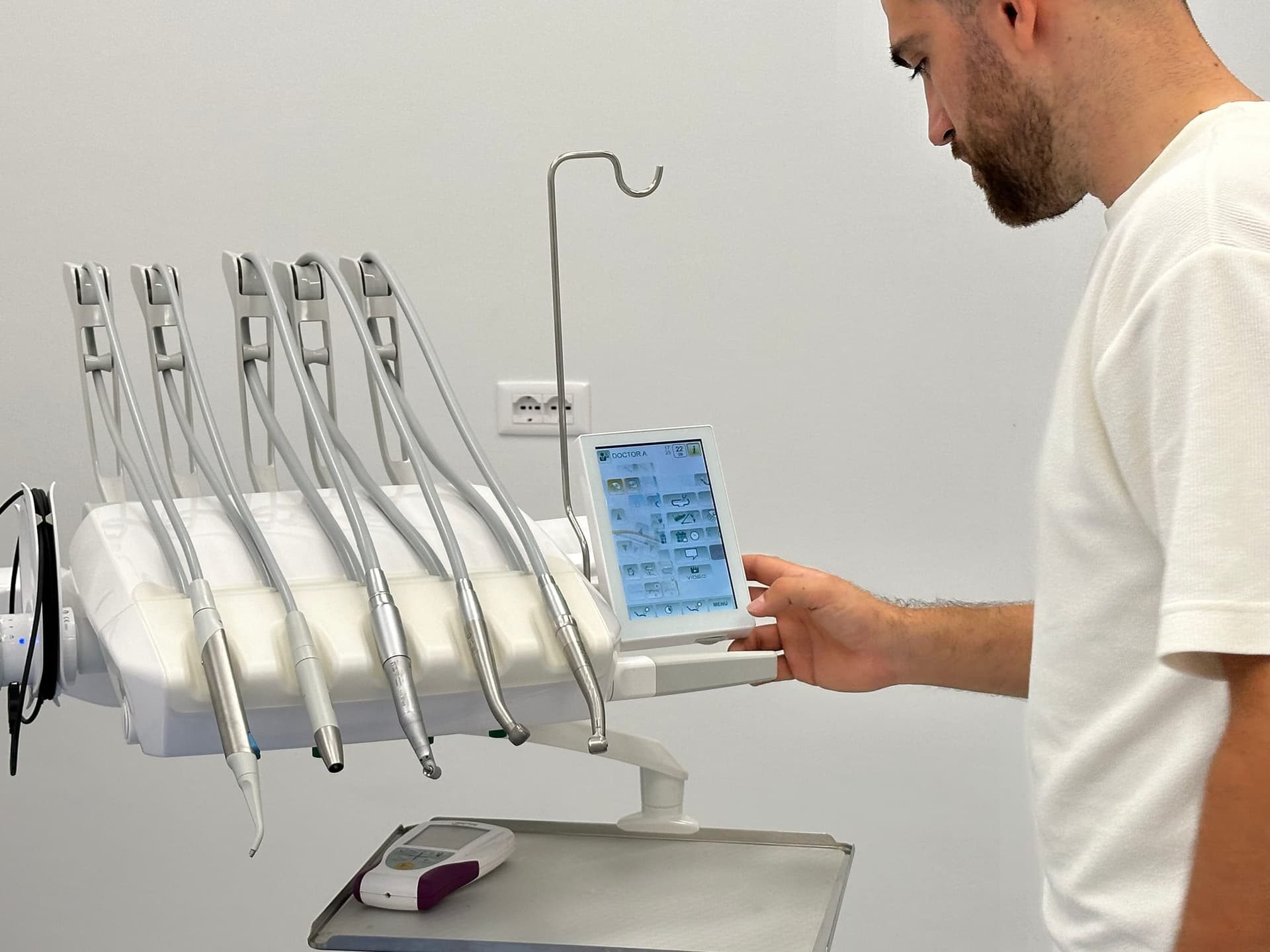
Service intervals matched to runtime, OEM parts on filters and dryer cartridges, and a written report after each visit.
Service intervals are set against runtime hours rather than calendar months — heavy-use practices need the same parts changed sooner. We track hours from the first visit and book the next one before it falls due.
Intake filter, coalescing filter, and particulate filter elements changed at the manufacturer interval. OEM elements only — third-party filters often have a higher pressure drop and a lower micron rating than they claim.
For refrigerant dryers: refrigerant level check, condenser clean, condensate drain test. For desiccant or membrane dryers: cartridge replacement at the rated interval. Dew-point checked at the dryer outlet to confirm it is doing its job.
Belt condition or piston-ring check (depending on drive type), gasket and valve check, electrical contactor inspection, pressure-switch calibration, safety-valve test, and a leak survey on the air line. Anything trending toward failure is flagged in the report.
How this same expertise plays out on a real dental clinic project.
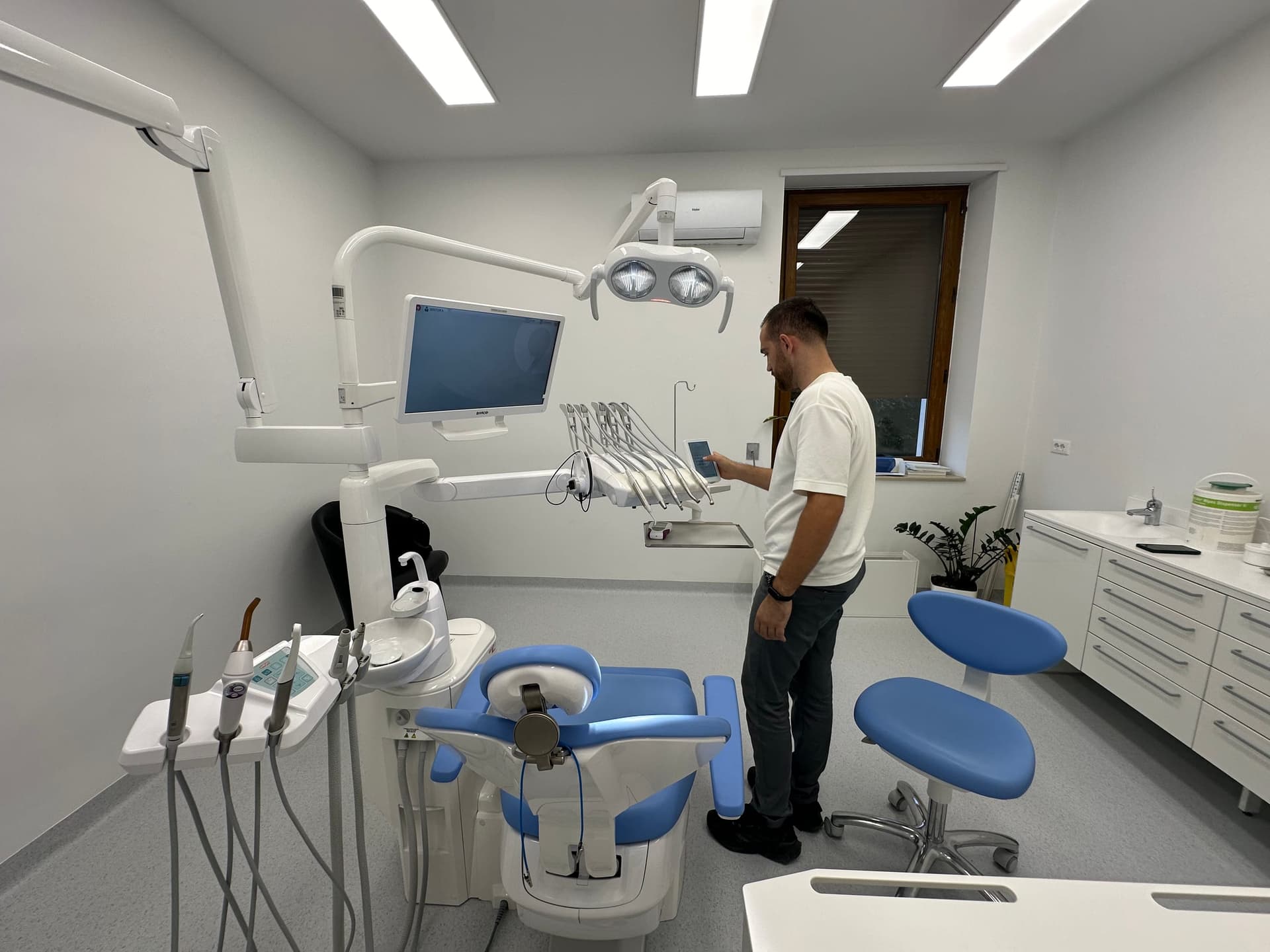
Recent articles on dental practice design, equipment and patient flow.
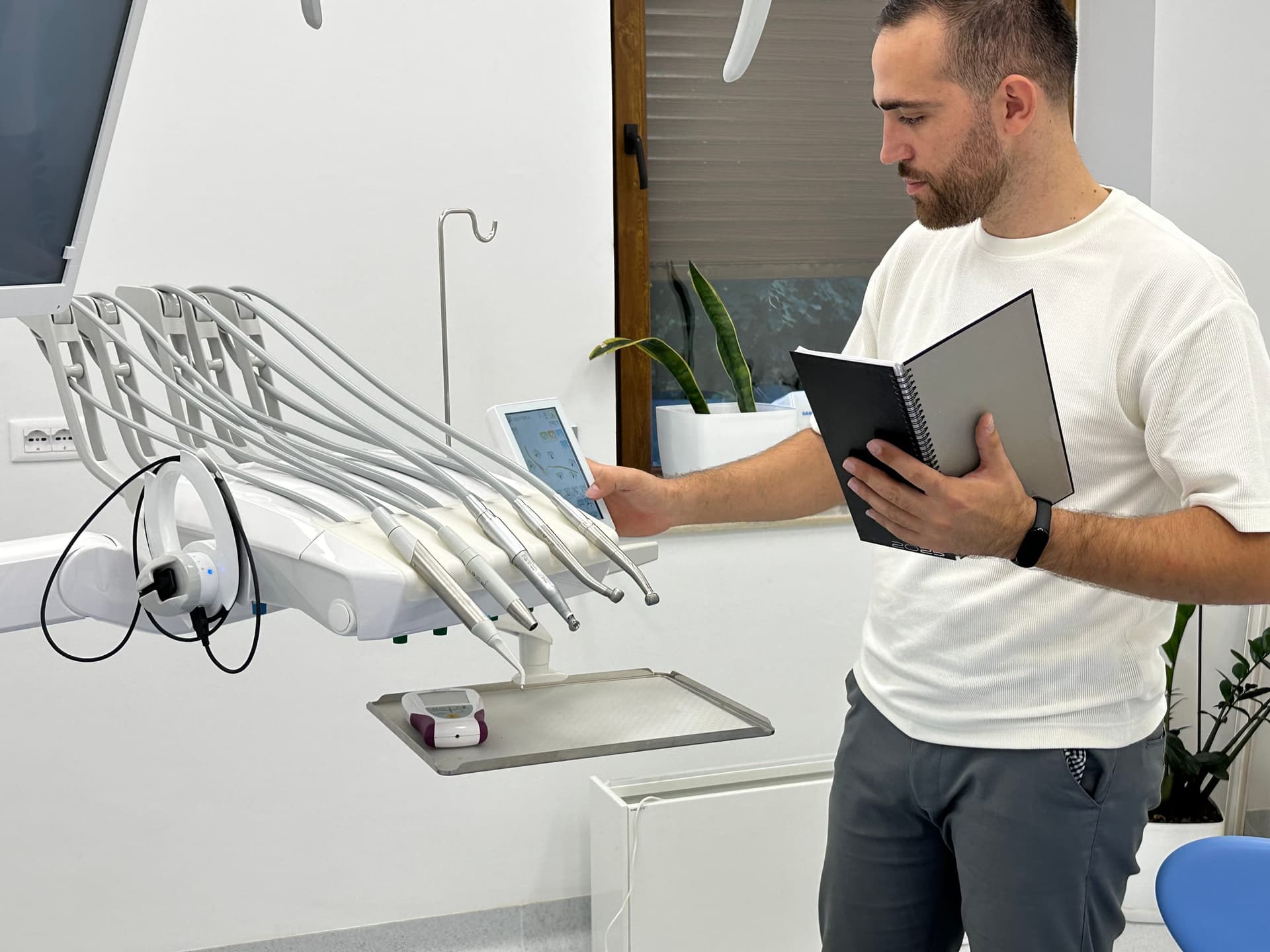
How cutting-edge design trends are transforming dental practices, improving patient outcomes, and boosting clinic efficiency through 2026.
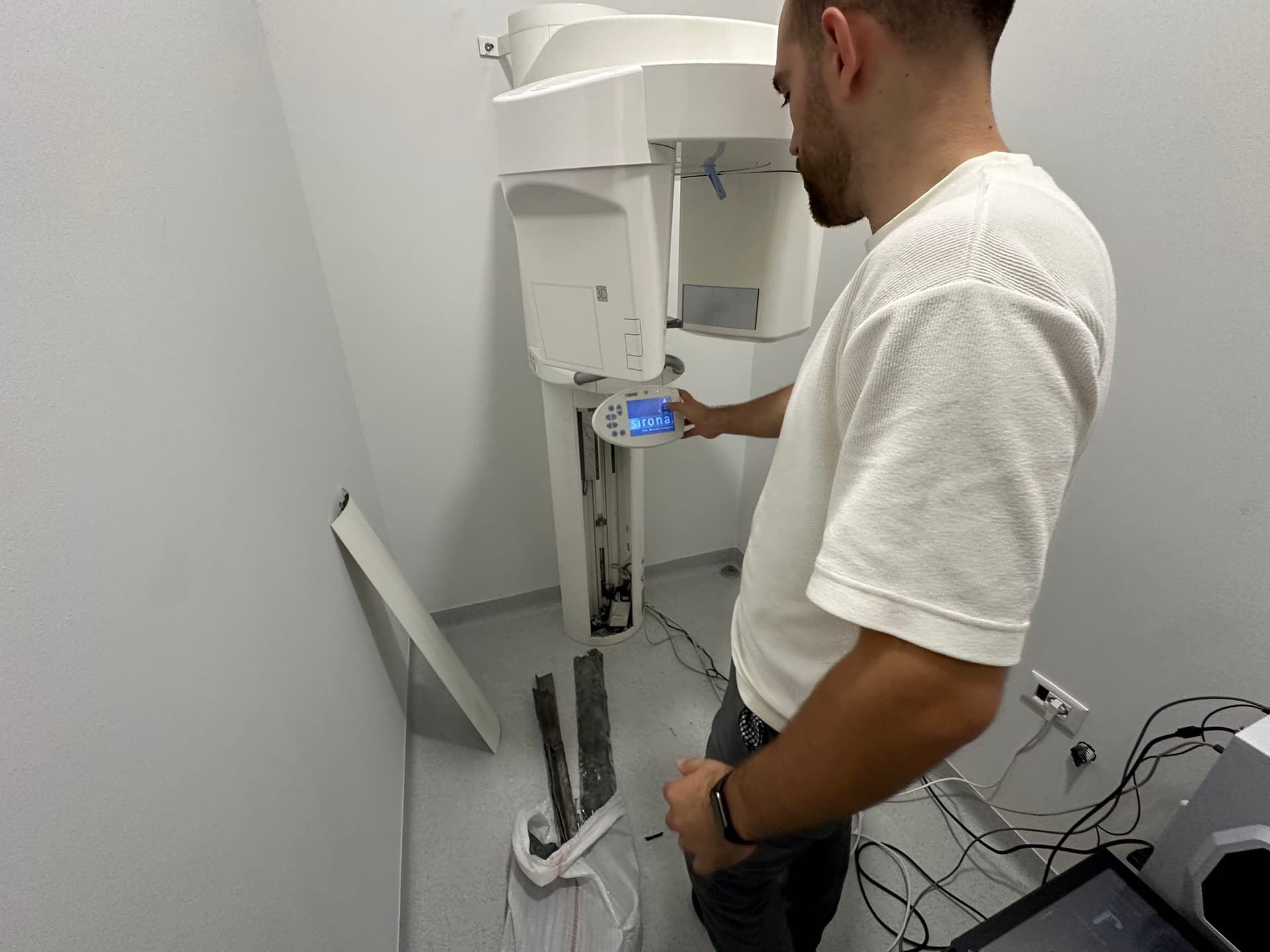
How thoughtful design choices can significantly improve patient satisfaction and reduce dental anxiety.
A standard maintenance visit runs about half a day on site, including the report and any minor parts.
We schedule around your patient list — usually first hour of the day or after the last appointment. Contract customers get priority slots and faster response when something faults between visits.
On arrival: pull the runtime reading, check operating pressure and temperature against the spec, drain the receiver, and inspect every accessible component. The inspection finding determines what gets done in the service step.
Filter changes, dryer service, condensate drain cleaning, lubrication on serviceable bearings (oil-free compressors do not have an oil change but they do have grease points), and any small repairs identified in the inspection. OEM parts on everything in the air-treatment train.
After service: pressure setpoints checked against spec, flow rate verified at the chairs, dew-point measured at the dryer outlet, noise level checked, and a leak test on any joints we touched. The compressor has to come back within spec before we sign off.
Written report: runtime hours, parts replaced, test readings, anything flagged for the next visit, and the next service-due date. Email and hard copy. The report is what your dental health authority inspector will want to see.
Honest answers on intervals, scope, value, and contracts.
Other services often booked alongside this one.
Book a consultation and we'll get back to you within 4 hours.