
 Collaku Consulting
Get Free Consultation
Reply within 4 hours • Free consultation
Collaku ConsultingReply within 4 hours • Free consultation
Dental autoclave installation for UK practices, together with the washer-disinfector, ultrasonic bath, water treatment and benching around it, laid out for the dirty-to-clean flow HTM 01-05 describes. We plan the room, install and commission the equipment, and hand over validation records you can show at a CQC inspection.
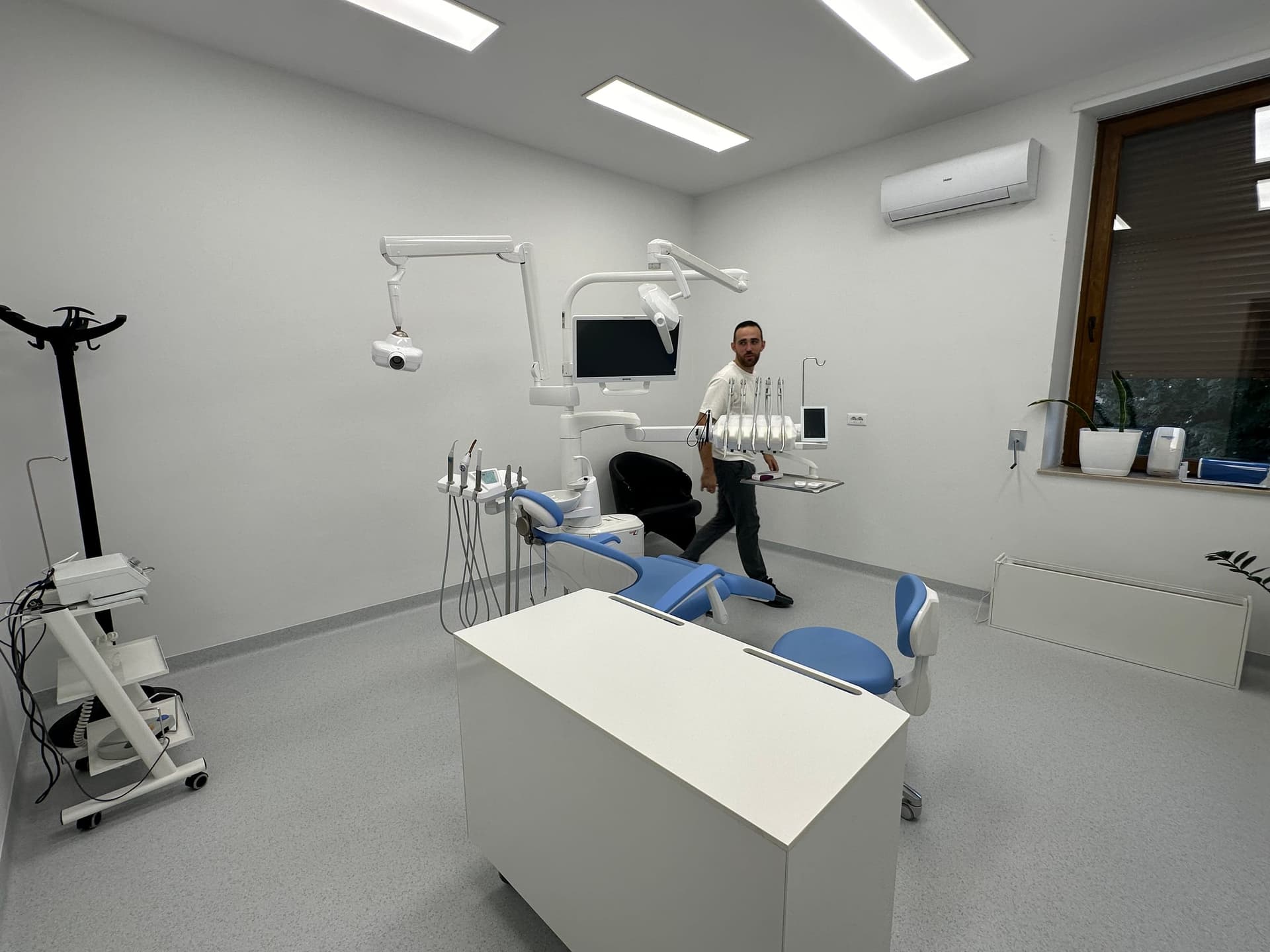
One team for the decontamination room: layout, services, equipment and validation.
Vacuum (Type B) sterilisers for wrapped and hollow instruments, and non-vacuum (Type N) units where they suit your instruments. We site each unit with the ventilation clearance and power it needs, commission it and run the first validation before clinical use.
HTM 01-05 favours automated, validated cleaning, so we install washer-disinfectors with the water, drain and power each model needs, and ultrasonic baths where you use them alongside, with the test routine your staff will run.
Sterilisers need water of the quality the manufacturer specifies, usually from a reverse osmosis or deionisation unit. We fit the treatment unit, isolation and backflow protection on the feed, and drains with an air break so waste cannot siphon back.
Installation and operational qualification, the first thermometric validation, steam penetration and air-leakage tests, and a handover file. Staff are shown the daily and weekly tests and how to log them.
How this same expertise plays out on a real dental clinic project.
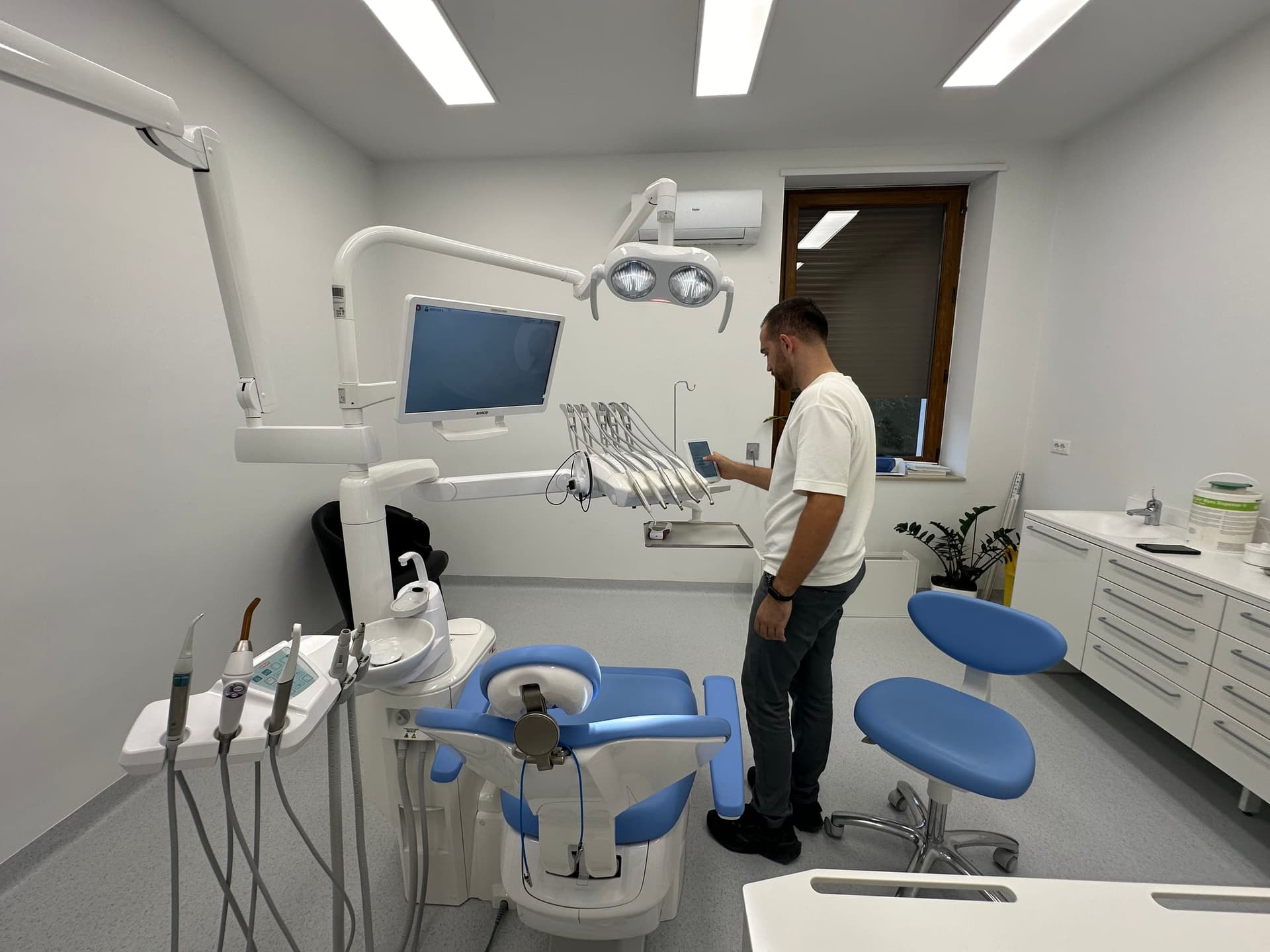
Recent articles on dental practice design, equipment and patient flow.
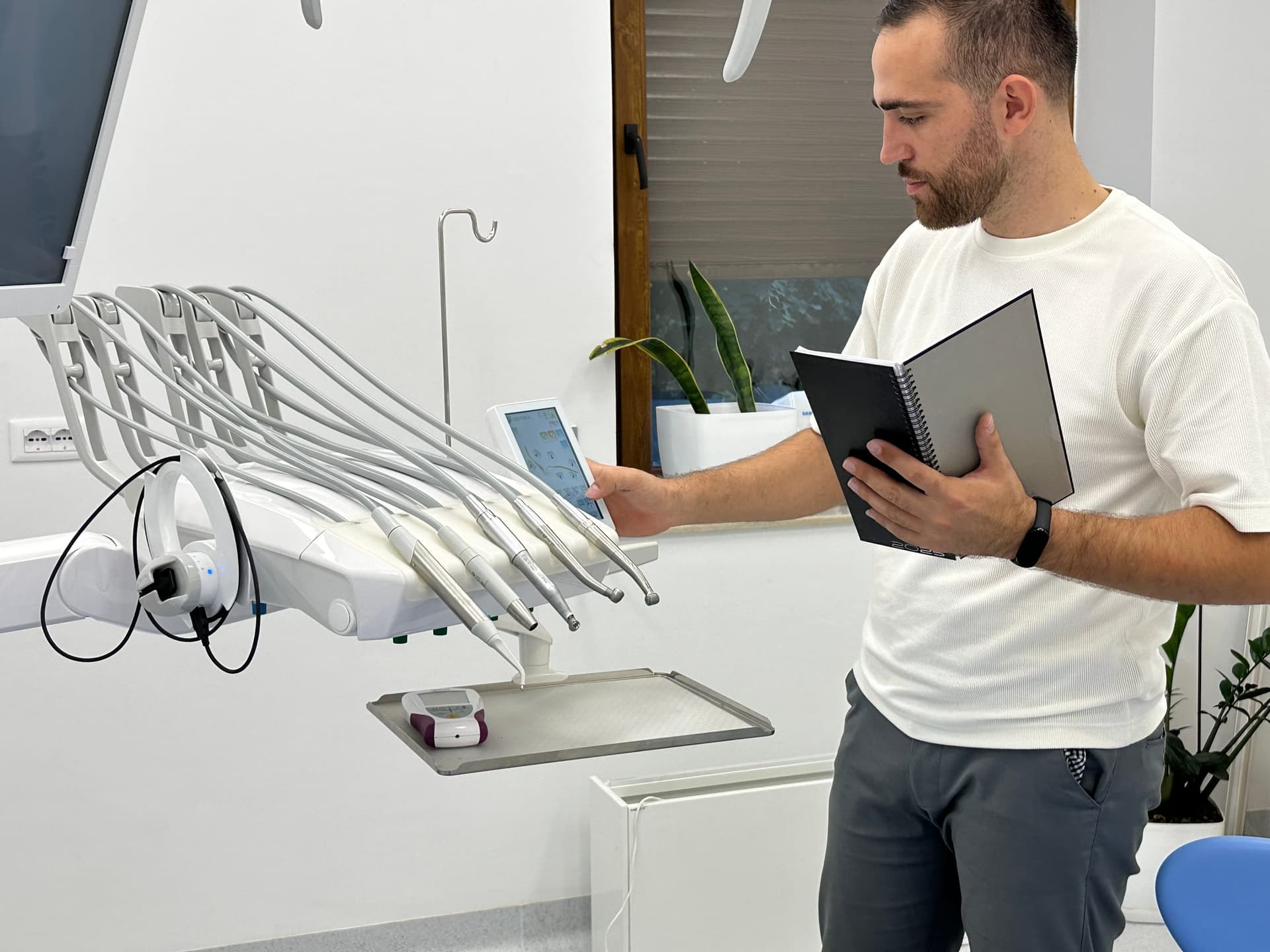
How cutting-edge design trends are transforming dental practices, improving patient outcomes, and boosting clinic efficiency through 2026.
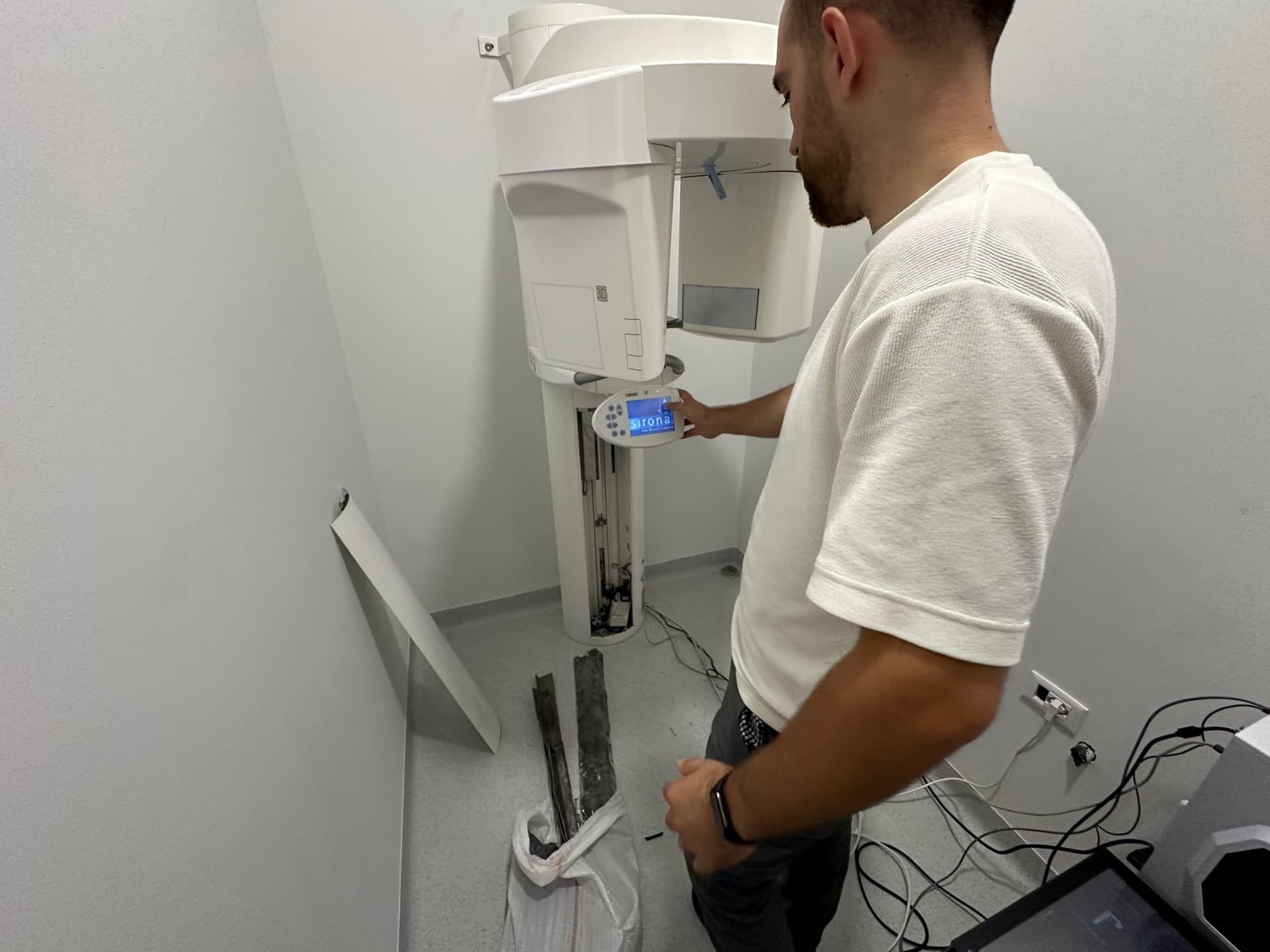
How thoughtful design choices can significantly improve patient satisfaction and reduce dental anxiety.
How a dental decontamination room is installed and signed off.
We check the room size, dirty-to-clean flow, power supply (many vacuum sterilisers need a dedicated circuit), water quality and pressure, drainage and ventilation.
Feed with isolation valve and backflow protection, RO or deionisation unit where the supply does not meet the manufacturer's specification, and air-break drains.
Steriliser, washer-disinfector, ultrasonic bath and sealer positioned, levelled and connected. Electrical work is installed and certified to BS 7671.
Cycle settings checked against the manufacturer's data, door interlock, safety valve and over-temperature protection tested before the first load.
Thermometric validation, steam penetration and air-leakage tests, with a validation certificate and test records for your decontamination file.
Common questions about installing autoclaves and decontamination equipment in UK practices.
Type B and Type N benchtop steam sterilisers, washer-disinfectors, ultrasonic baths, pouch sealers and the RO or deionisation units that supply them. We install the major dental brands and work from each manufacturer's installation instructions.
Most manufacturers specify purified water (reverse osmosis or deionised) with low conductivity, because minerals and chlorides in tap water damage the chamber and instruments. We test the supply and fit the treatment unit that meets the manufacturer's specification.
Commissioning checks, a thermometric validation of the cycles you will use, and steam penetration and air-leakage tests on vacuum sterilisers. Results go in the validation file and become the baseline for your annual validation.
Your team runs the daily and weekly tests HTM 01-05 describes and logs them. A competent person carries out periodic maintenance and annual validation, and the pressure vessel needs a written scheme of examination under PSSR 2000. We can cover the engineering side in a maintenance contract.
Other services often booked alongside this one.
Book a consultation and we'll get back to you within 4 hours.