
 Collaku Consulting
Get Free Consultation
Reply within 4 hours • Free consultation
Collaku ConsultingReply within 4 hours • Free consultation
Dental suction installation for UK practices: wet or dry vacuum pumps sized to your surgeries, pipework laid to falls, and an ISO 11143 amalgam separator so amalgam waste is captured as HTM 07-01 expects. We install for new practices, refurbishments and surgery extensions.
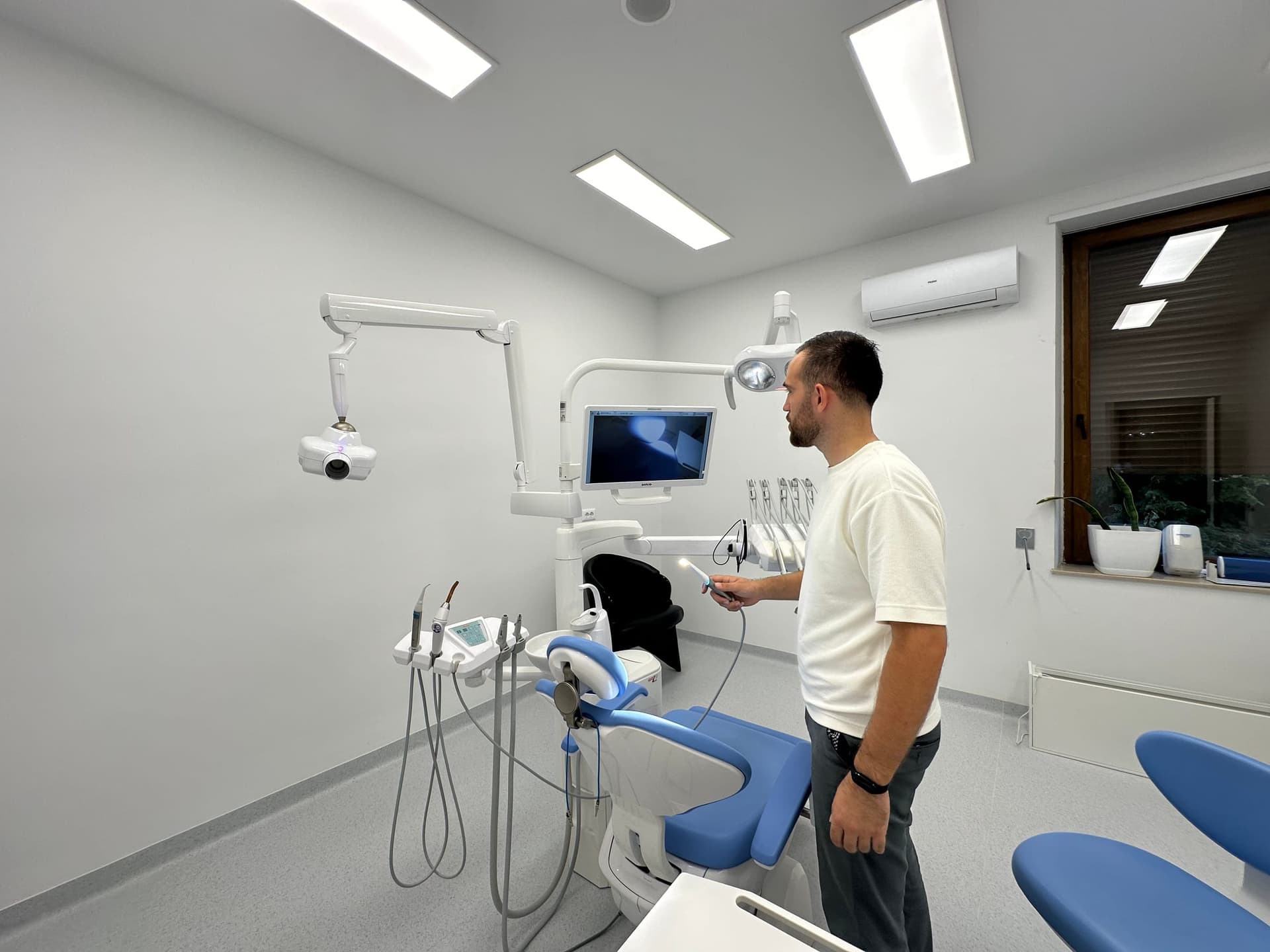
Pump choice, pipework, amalgam separation and noise control sized to your surgeries.
Wet systems carry fluid and air to a central pump; dry systems separate fluid at or near the chair and send only air to the pump. We recommend the type that suits your building, chair count and existing pipework.
Pumps sited in a plant room or acoustic enclosure on anti-vibration mounts, with flexible connections and a suitable exhaust route, so suction noise stays out of surgeries and away from neighbours.
Suction pipework sized for your chairs, laid with a continuous fall back to the separator or pump, with swept bends, access points and isolation valves at each surgery. Every run is tested before commissioning.
An amalgam separator meeting ISO 11143 (at least 95% retention) is fitted on the waste line, as the mercury rules require for practices that use or remove amalgam. Amalgam waste is hazardous waste (special waste in Scotland), and HTM 07-01 sets out how it should be captured and disposed of.
How this same expertise plays out on a real dental clinic project.
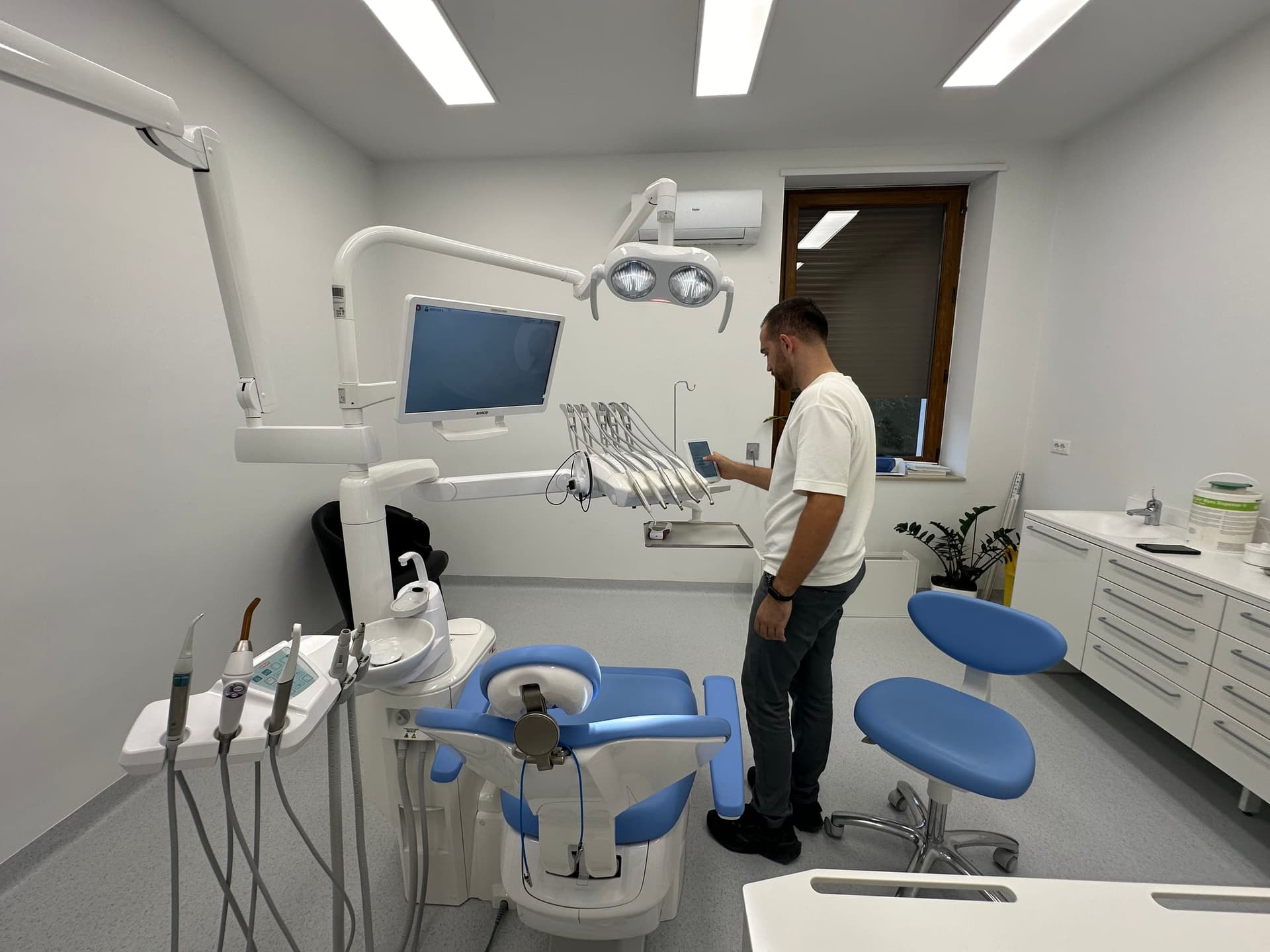
Recent articles on dental practice design, equipment and patient flow.
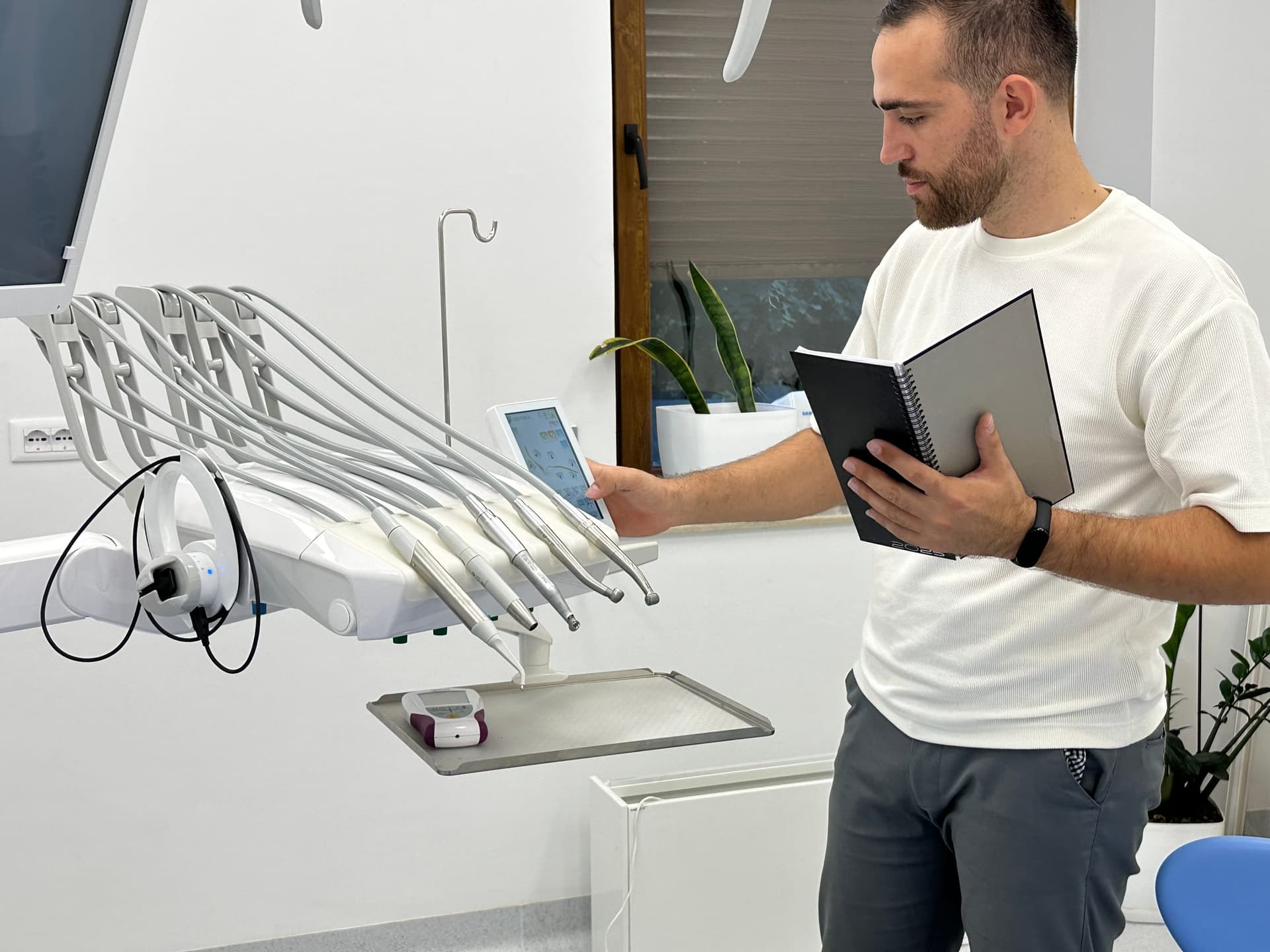
How cutting-edge design trends are transforming dental practices, improving patient outcomes, and boosting clinic efficiency through 2026.
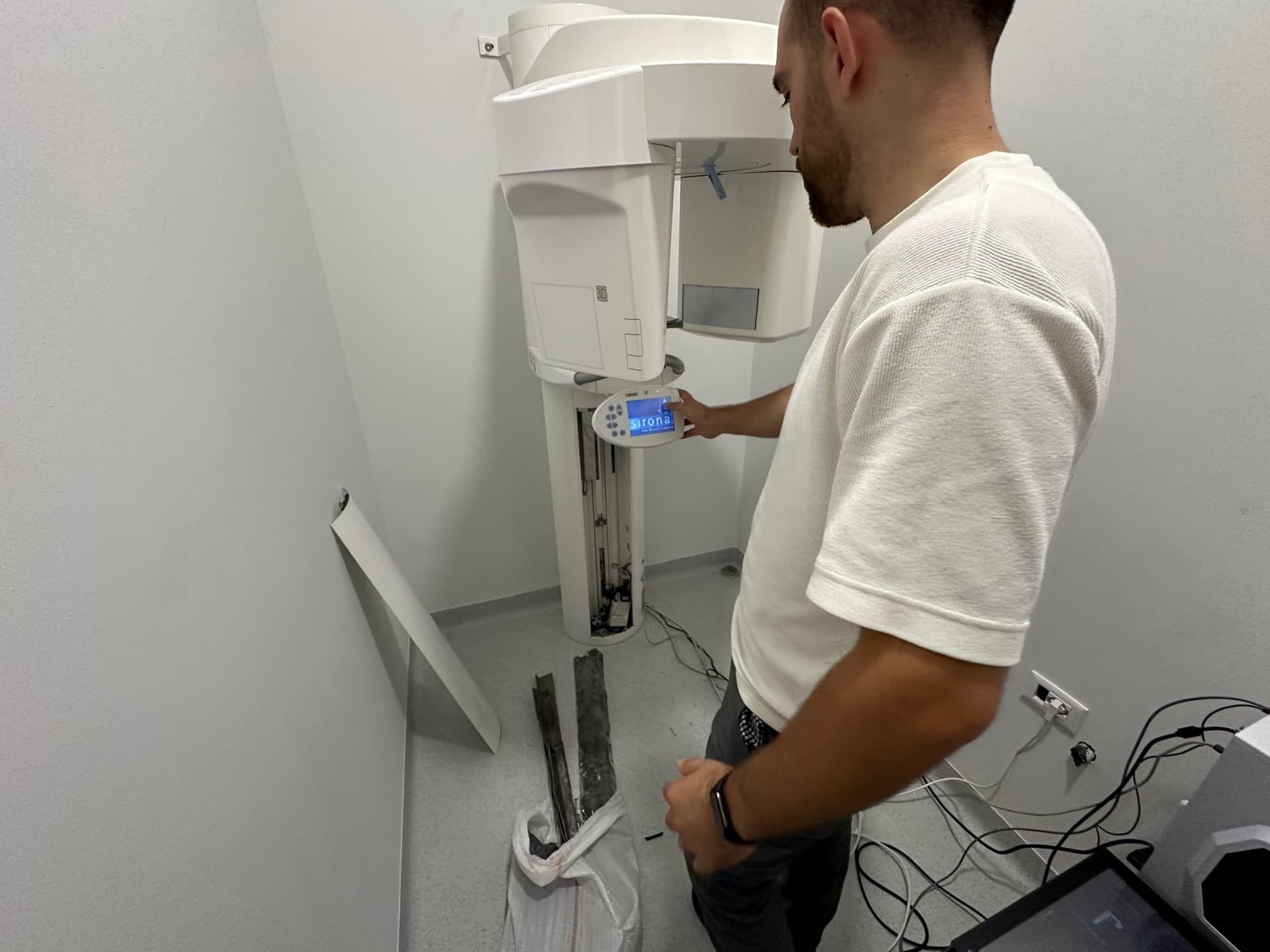
How thoughtful design choices can significantly improve patient satisfaction and reduce dental anxiety.
How a dental suction system is installed, from sizing to commissioning.
We calculate demand from your chair count, procedures and how many chairs run at once, then choose the pump and separator.
Pump located with ventilation, drainage, exhaust route and service access; suction points marked at each chair against the chair template.
Pipework installed to falls with swept bends and access points, sized down towards the chairs.
Pump, fluid separator (dry systems) and amalgam separator mounted and connected; electrics installed to BS 7671 and drain trap fitted.
Suction measured at every chair, leak test on the network, separator alarm tested and staff shown the daily flushing routine.
Common questions about installing dental suction in the UK.
Dry systems separate fluid near the chair, so the pipework carries mainly air and the pump uses no water; they are common in new practices. Wet systems can suit buildings with existing wet pipework or particular layouts. We compare running costs, noise and installation work for your building before you decide.
From the air flow each chair needs at the specified vacuum, how many chairs run at once, and the pipework length. We confirm the figures on site before quoting, because undersized suction is one of the most common complaints in dental surgeries.
If you place or remove amalgam, yes. UK mercury rules require dental practices that use amalgam or remove amalgam fillings to fit an amalgam separator with at least 95% retention (tested to ISO 11143). Amalgam waste must be collected as hazardous waste (special waste in Scotland) by a registered waste carrier, and HTM 07-01 sets out how to handle it.
Daily flushing of every line with a suitable non-foaming cleaner, regular filter emptying, separator checks and container changes, and a periodic engineer service. We leave a written schedule at handover.
Other services often booked alongside this one.
Book a consultation and we'll get back to you within 4 hours.